• Beginner Skincare Routine for Healthy Glowing Skin

    Starting a skincare routine can feel overwhelming when there are countless products, ingredients, and trends available online. The good news is that achieving healthy, clear, and glowing skin doesn’t require a complicated 10-step routine. A beginner skincare routine focuses on the essentials that help maintain your skin’s health while preventing common concerns such as acne, dryness, dullness, and premature aging.

    Whether you have oily, dry, combination, or sensitive skin, following a simple skincare routine consistently can improve your skin’s appearance and overall health. In this guide, you’ll learn the best beginner skincare routine, essential skincare products, and expert tips to build healthy habits for long-term results.
    SKINCARE ROUTINE

    Why a Beginner Skincare Routine Matters

    Your skin is the body’s largest organ and serves as a protective barrier against environmental stressors, pollution, UV rays, and bacteria. A consistent skincare routine helps:

    • Remove dirt, oil, and impurities
    • Maintain proper skin hydration
    • Prevent acne breakouts
    • Strengthen the skin barrier
    • Reduce signs of aging
    • Improve skin texture and tone
    • Protect against sun damage

    The key is consistency rather than using many products.

    Understanding Your Skin Type

    Before creating a skincare routine, it’s important to identify your skin type.

    Oily Skin

    Characteristics:

    • Excess shine
    • Enlarged pores
    • Frequent acne breakouts
    • Greasy appearance

    Dry Skin

    Characteristics:

    • Tight feeling after washing
    • Flaky or rough texture
    • Dull appearance
    • Increased sensitivity

    Combination Skin

    Characteristics:

    • Oily T-zone (forehead, nose, chin)
    • Dry or normal cheeks
    • Occasional breakouts

    Sensitive Skin

    Characteristics:

    • Redness
    • Irritation
    • Burning or itching
    • Reacts easily to products

    Knowing your skin type helps you choose the right skincare products and ingredients.

    The Essential Beginner Skincare Routine

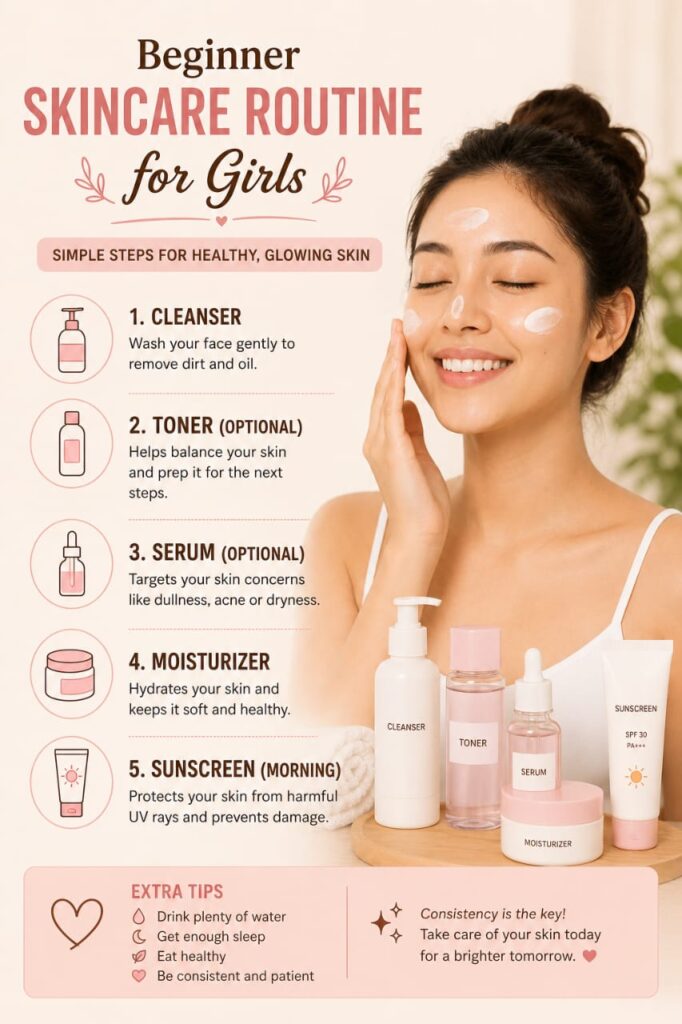
    A simple skincare routine consists of three main steps:

    1. Cleanser
    2. Moisturizer
    3. Sunscreen

    Once your skin adjusts, you can gradually introduce serums and treatments.

    Morning Skincare Routine

    Step 1: Cleanse Your Face

    Start your day by washing your face with a gentle cleanser. Cleansing removes excess oil, sweat, and impurities accumulated overnight.

    Best Ingredients for Cleansers

    • Glycerin
    • Ceramides
    • Hyaluronic Acid
    • Niacinamide

    Avoid harsh cleansers that strip natural oils from the skin.

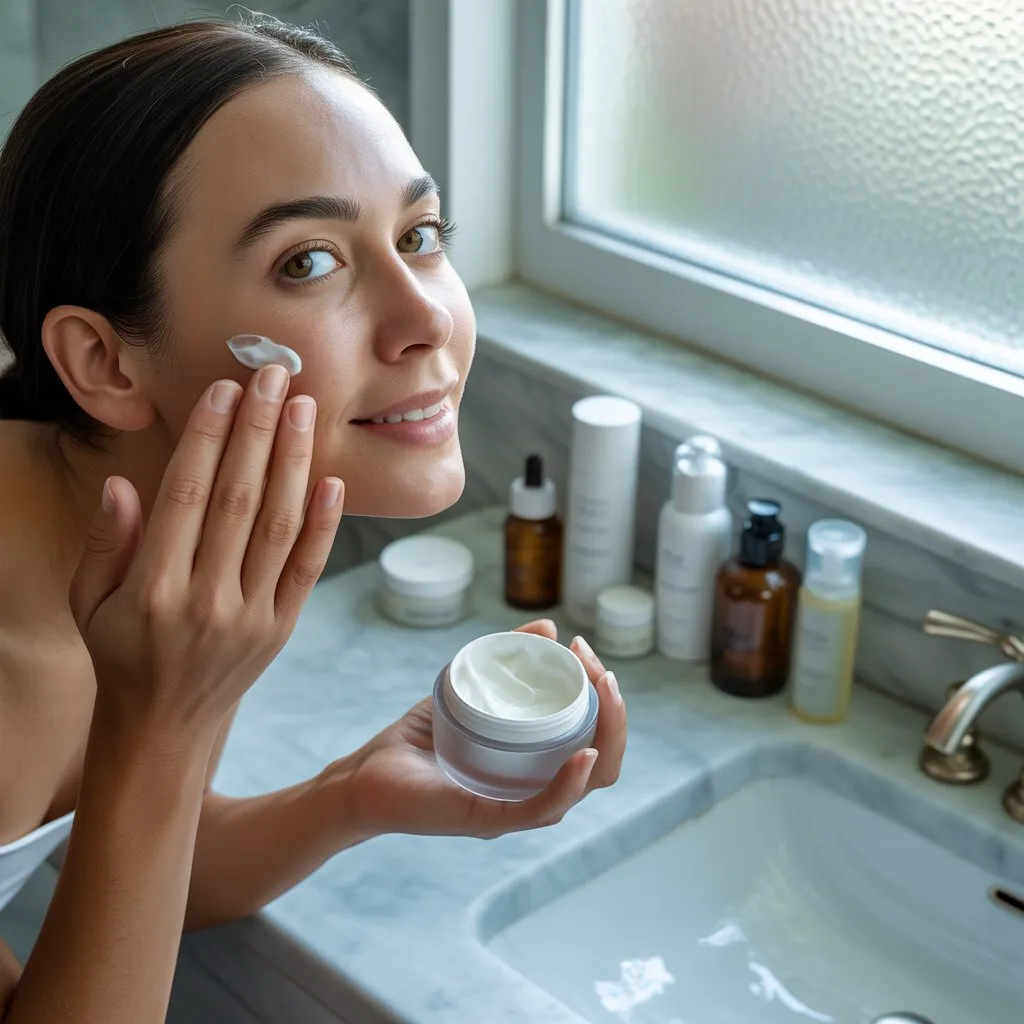
    Step 2: Apply a Lightweight Moisturizer

    Moisturizers help lock in hydration and support the skin barrier.

    Benefits of Moisturizing

    • Prevents dryness
    • Maintains skin elasticity
    • Reduces irritation
    • Improves skin texture
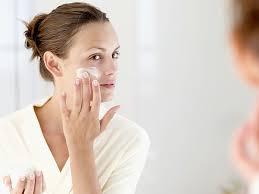
    APPLYING-A-MOISTURIZER.

    Choose a lightweight moisturizer if you have oily skin and a richer formula if you have dry skin.

    Step 3: Use Sunscreen Every Day

    Sunscreen is the most important skincare product for preventing premature aging and sun damage.

    Why Sunscreen Is Essential

    • Protects against UVA and UVB rays
    • Prevents hyperpigmentation
    • Reduces risk of skin cancer
    • Helps maintain an even skin tone

    Use a broad-spectrum SPF 30 or higher every morning, even on cloudy days.

    Evening Skincare Routine

    Step 1: Cleanse Again

    Nighttime cleansing removes:

    • Makeup
    • Sunscreen
    • Dirt
    • Excess oil
    • Environmental pollutants

    If you wear makeup, consider double cleansing with an oil-based cleanser followed by a gentle face wash.

    Step 2: Apply a Moisturizer

    Your skin naturally repairs itself while you sleep. Moisturizing at night supports this process and helps maintain hydration.

    Look for ingredients such as:

    • Ceramides
    • Squalane
    • Hyaluronic Acid
    • Panthenol

    Optional Skincare Products for Beginners

    Once you have followed the basic routine consistently for several weeks, you can introduce additional products.

    Serums

    Serums target specific skin concerns.

    Niacinamide Serum

    Benefits:

    • Controls excess oil
    • Minimizes pores
    • Improves skin texture
    • Reduces redness

    Vitamin C Serum

    Benefits:

    • Brightens skin
    • Supports collagen production
    • Fades dark spots
    • Provides antioxidant protection

    Hyaluronic Acid Serum

    Benefits:

    • Deep hydration
    • Plumper skin appearance
    • Improved skin barrier function
    
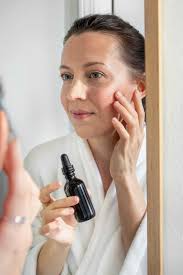
Hyaluronic-Acid-Serum

    Introduce only one serum at a time to avoid irritation.

    Exfoliants

    Exfoliation removes dead skin cells and improves skin texture.

    Chemical Exfoliants

    Common ingredients:

    • Salicylic Acid (BHA)
    • Glycolic Acid (AHA)
    • Lactic Acid (AHA)

    Beginners should exfoliate only 1–2 times per week.

    Best Ingredients for Beginners

    Hyaluronic Acid

    A powerful humectant that attracts moisture and keeps skin hydrated.

    Ceramides

    Help strengthen the skin barrier and prevent moisture loss.

    Niacinamide

    One of the most beginner-friendly ingredients for reducing oiliness and improving skin texture.

    Vitamin C

    Helps brighten skin and protect against environmental damage.

    Salicylic Acid

    Useful for acne-prone skin because it penetrates pores and removes excess oil.

    Common Beginner Skincare Mistakes

    Many people unknowingly damage their skin by making simple mistakes.

    Using Too Many Products

    Adding multiple products at once can cause irritation and breakouts.

    Over-Exfoliating

    Excessive exfoliation weakens the skin barrier and causes redness.

    Skipping Sunscreen

    Even the best skincare routine cannot protect skin without sunscreen.

    Changing Products Too Frequently

    Allow products at least four to six weeks before evaluating results.

    Washing Your Face Too Often

    Over-cleansing can strip natural oils and lead to dryness or increased oil production.

    Building a Skincare Routine on a Budget

    Healthy skin doesn’t require expensive products.

    Budget-Friendly Essentials

    • Gentle cleanser
    • Basic moisturizer
    • Broad-spectrum sunscreen

    Many dermatologist-recommended drugstore brands provide excellent results without high costs.

    Focus on product quality and ingredients rather than luxury packaging.

    Lifestyle Habits That Support Healthy Skin

    Skincare products work best when combined with healthy lifestyle habits.

    Stay Hydrated

    Drink enough water daily to support overall skin health.

    Eat Nutrient-Rich Foods

    Include foods rich in:

    • Vitamin C
    • Vitamin E
    • Zinc
    • Omega-3 fatty acids

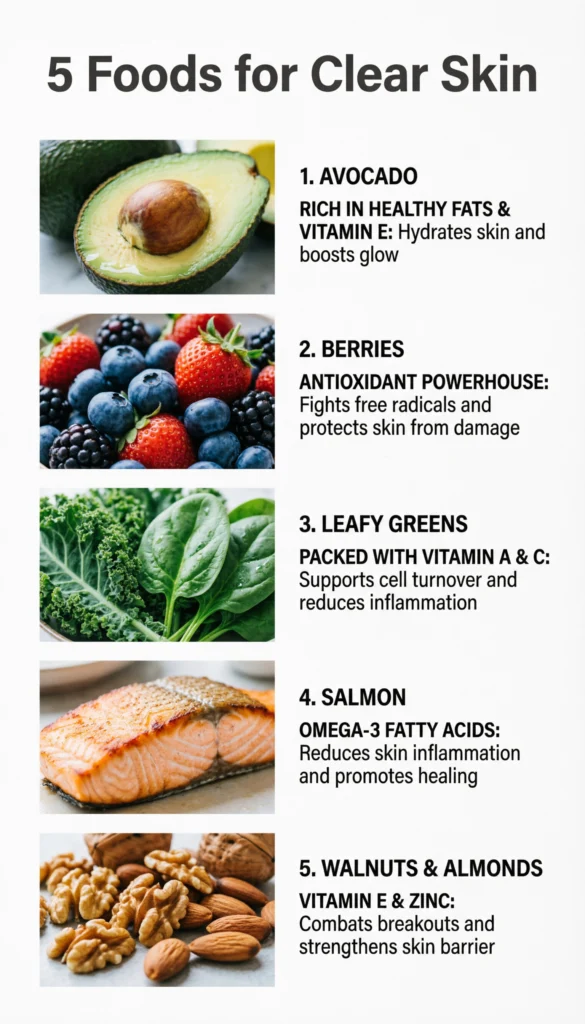
    Examples include berries, leafy greens, nuts, seeds, and fatty fish.

    Get Quality Sleep

    Aim for 7–9 hours of sleep each night to support skin repair and recovery.

    Manage Stress

    Chronic stress can contribute to acne breakouts and skin sensitivity.

    Activities such as exercise, meditation, and spending time outdoors may help manage stress levels.

    How Long Does It Take to See Results?

    Patience is essential when starting a skincare routine.

    Typical timelines:

    • Hydration improvements: 1–2 weeks
    • Brighter skin: 4–6 weeks
    • Reduced acne: 6–12 weeks
    • Improved texture: 8–12 weeks

    Consistency is the most important factor in achieving visible results.

    Beginner Skincare Routine Checklist

    Morning Routine

    1. Gentle Cleanser
    2. Moisturizer
    3. Sunscreen SPF 30+

    Night Routine

    1. Gentle Cleanser
    2. Moisturizer

    Optional Additions

    • Niacinamide Serum
    • Vitamin C Serum
    • Hyaluronic Acid Serum
    • Weekly Exfoliation

    Final Thoughts

    A beginner skincare routine doesn’t need to be complicated. The foundation of healthy skin starts with cleansing, moisturizing, and daily sunscreen use. Once these habits become consistent, you can gradually introduce targeted products like Vitamin C, Niacinamide, and Hyaluronic Acid to address specific concerns.

    Remember that skincare is a long-term commitment. Focus on consistency, choose products suited to your skin type, and avoid chasing every trend. With patience and the right routine, you can achieve healthier, clearer, and more radiant skin over time.
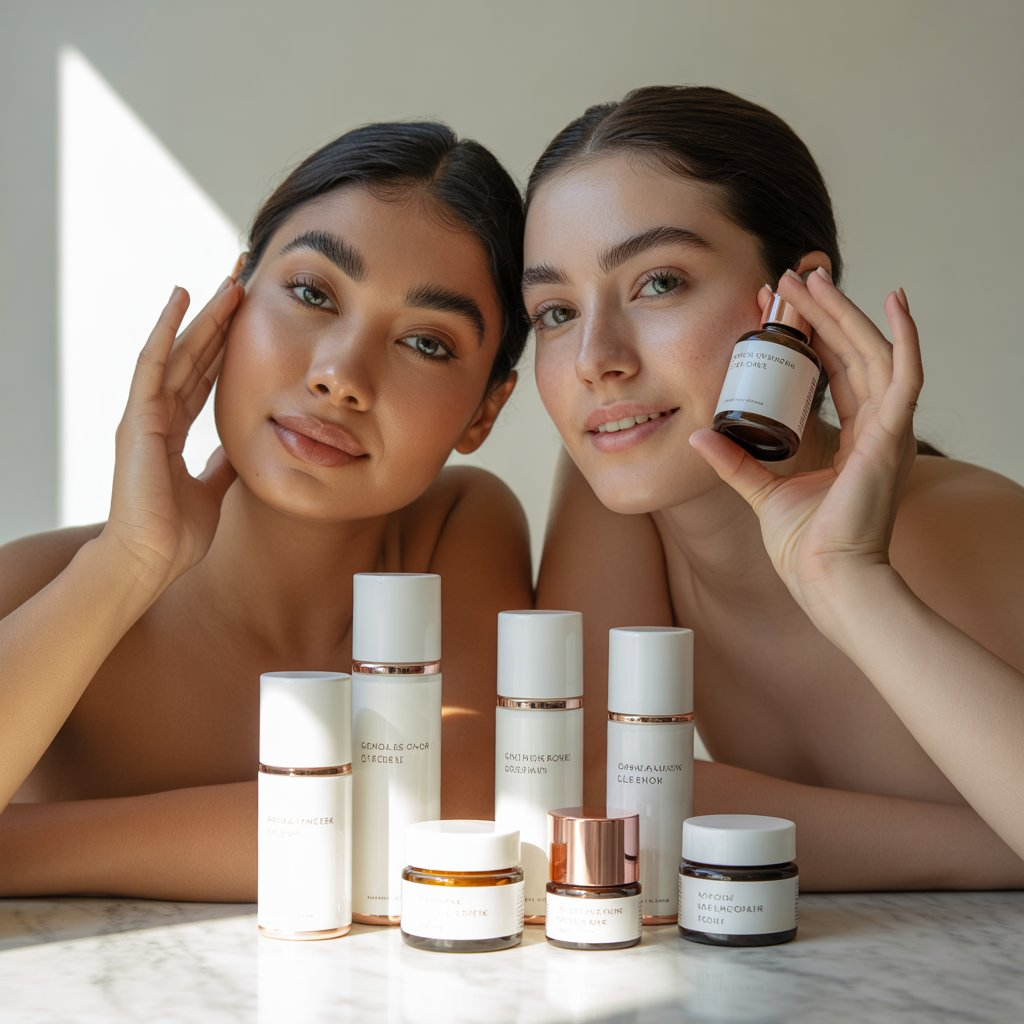
    BEGINNER SKINCARE ROUTINE

  • How to Get Clear and Glowing Skin Naturally at Home

    Everyone wants naturally clear, healthy, and glowing skin, but achieving radiant skin does not always require expensive treatments or complicated beauty products. With the right skincare routine, healthy lifestyle habits, and natural remedies, you can improve your skin texture and glow naturally at home.

    Modern lifestyles, pollution, stress, unhealthy eating habits, and lack of sleep often lead to dullness, acne, dryness, and uneven skin tone. The good news is that consistent skincare and natural ingredients can help restore your skin’s natural beauty safely and effectively.

    skincare routine for radiant skin

    In this guide, you will discover the best natural skincare tips, home remedies, and daily habits to help you achieve clear and glowing skin naturally at home.

    Why Does Skin Lose Its Natural Glow?

    Before improving your skin, it’s important to understand the common causes of dull and unhealthy skin.

    Common Causes of Dull Skin

    Dehydration

    Poor diet

    Lack of sleep

    Excessive sun exposure

    Stress and anxiety

    Using harsh skincare products

    Pollution and dirt buildup

    Hormonal imbalance

    When your skin lacks proper hydration and nourishment, it can appear tired, rough, and uneven. A healthy skincare routine combined with natural remedies can help repair and brighten your skin over time.
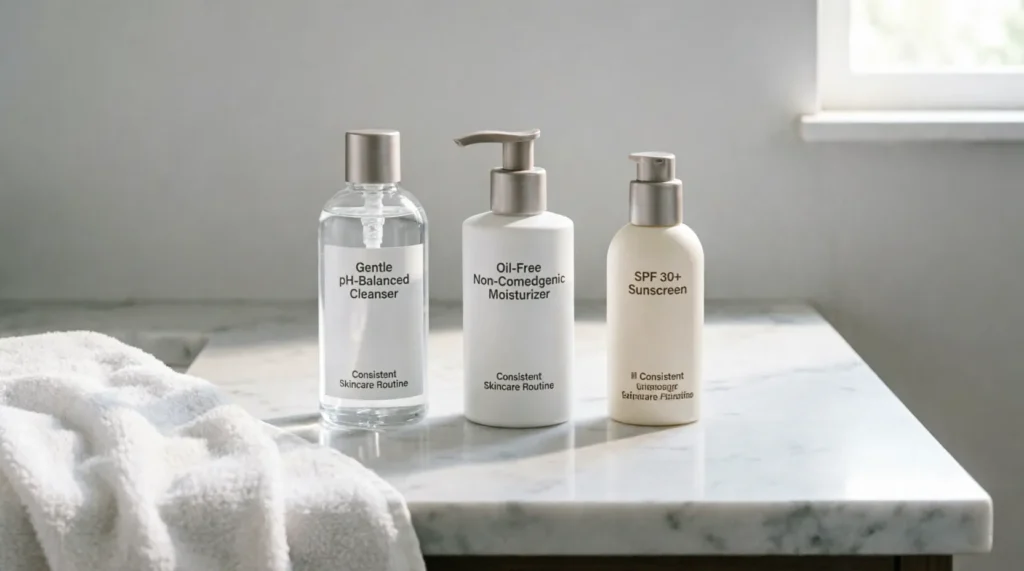
    A simple and consistent skincare routine is the foundation of healthy skin. You do not need dozens of products — the key is consistency.

    Morning Skincare Routine for Glowing Skin

    Step 1: Cleanser

    Use a gentle face cleanser to remove oil, sweat, and dirt that accumulate overnight.

    For natural cleansing:

    Honey works well for dry skin

    Aloe vera suits sensitive skin

    Gram flour (besan) helps oily skin

    Step 2: Hydrating Toner

    Rose water is a natural toner that refreshes and hydrates your skin while reducing redness.

    Step 3: Moisturizer

    Hydrated skin always looks healthier and more radiant. Choose a lightweight moisturizer according to your skin type.

    Step 4: Sunscreen

    Never skip sunscreen. UV rays can cause tanning, pigmentation, wrinkles, and premature aging.

    Use these products;

    SPF 30 or higher

    Broad-spectrum sunscreen

    Reapply every few hours outdoors

    1. Drink More Water for Naturally Glowing Skin

    Hydration plays a huge role in maintaining healthy skin. Drinking enough water helps flush toxins from your body and improves skin elasticity.

    Benefits of Drinking Water for Skin

    Keeps skin soft and hydrated

    Prevents dryness and flakiness

    Reduces dullness

    Helps maintain natural glow

    Supports healthy skin barrier

    Aim to drink at least 8–10 glasses of water daily. You can also include:

    Coconut water

    Lemon water

    Fresh fruit juices

    Herbal teas

    Water-rich foods like cucumbers, watermelon, oranges, and strawberries also help keep your skin hydrated naturally.

    1. Eat Healthy Foods for Clear Skin

    Your diet directly affects your skin health. Nutrient-rich foods provide vitamins, minerals, and antioxidants that help repair damaged skin cells and reduce acne naturally.

    Best Foods for Glowing Skin

    Fruits Rich in Antioxidants

    Berries, oranges, papaya, and pomegranate help protect your skin from free radicals and promote a healthy glow.

    Healthy Fats

    Avocados, nuts, chia seeds, and salmon contain healthy fats that nourish and hydrate the skin.

    Green Vegetables

    Spinach, broccoli, and kale contain vitamins that support collagen production and healthy skin texture.

    Yogurt and Probiotics

    Probiotics support gut health, which may help reduce acne and inflammation.

    Foods to Avoid

    Try limiting:

    Excess sugar

    Fried foods

    Processed snacks

    Sugary drinks

    A balanced diet can significantly improve your skin over time.

    1. Use Natural Home Remedies for Glowing Skin ✨

    Natural ingredients are gentle, affordable, and effective for improving skin health at home.

    Honey and Turmeric Face Mask

    Ingredients

    
HONEY-AND-TURMERIC-FACEMASK.

    1 tablespoon honey

    A pinch of turmeric

    Benefits

    Brightens dull skin

    Reduces acne-causing bacteria

    Adds natural glow

    Apply for 10–15 minutes and rinse with lukewarm water.

    Aloe Vera Gel for Clear Skin

    Fresh aloe vera gel is one of the best natural skincare remedies.

    Benefits of Aloe Vera

    Soothes irritation

    Reduces redness

    Hydrates the skin

    Helps calm acne

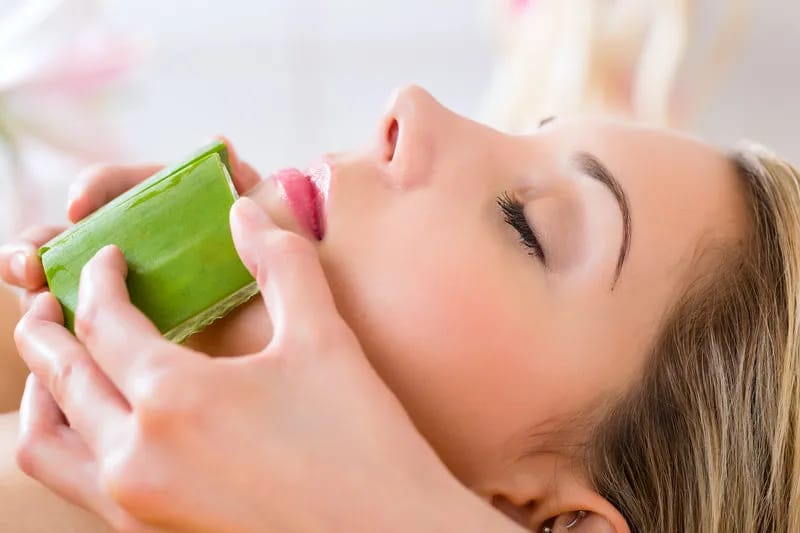
    BENEFITS OF ALOEVERA GEL

    Apply fresh aloe vera gel before bedtime for naturally refreshed skin.

    Yogurt and Oatmeal Face Mask

    This gentle face mask exfoliates dead skin cells and improves skin softness.

    Benefits

    Removes dead skin

    Brightens complexion

    Smooths rough texture

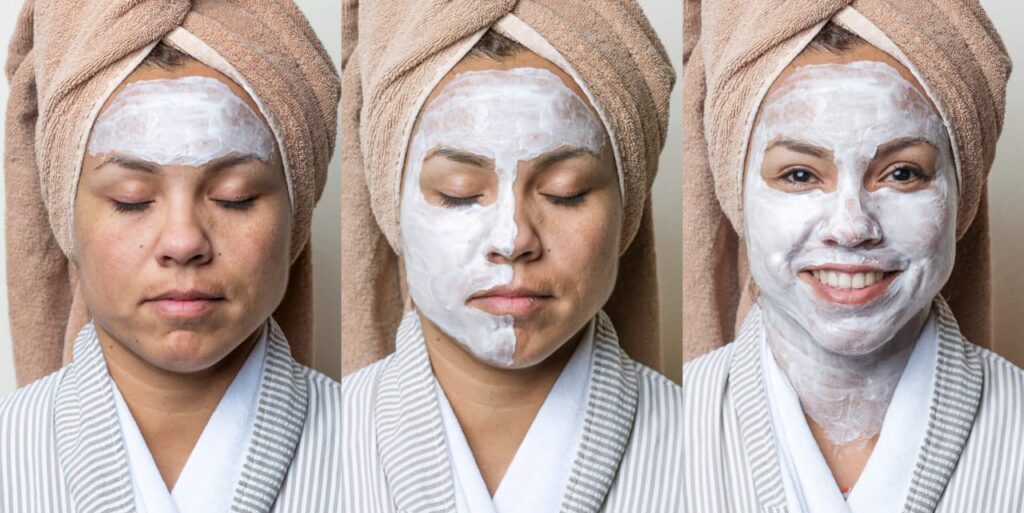
    YOUGURT AND HONEY FACEMASK

    Use this mask 2–3 times a week for visible results.

    1. Get Enough Sleep for Healthy Skin 😴

    Your skin repairs itself during sleep. Poor sleep can cause:

    Dark circles

    Puffiness

    Acne breakouts

    Dull skin

    Healthy Sleep Tips

    Sleep 7–8 hours daily

    Avoid screens before bed

    Change pillowcases regularly

    Keep your room clean and cool

    A proper sleep routine helps your skin recover naturally and maintain a healthy glow.

    1. Exercise Regularly for Natural Radiance

    Exercise improves blood circulation, which delivers oxygen and nutrients to the skin.

    Benefits of Exercise for Skin

    Gives natural glow

    Helps reduce stress

    Supports collagen production

    Removes toxins through sweat

    Best Exercises for Healthy Skin

    Yoga

    Walking

    Cycling

    Stretching

    Home workouts

    BENEFITS OF EXERCISE

    Even 20–30 minutes of daily activity can improve your overall skin appearance.

    1. Protect Your Skin From Sun Damage ☀️

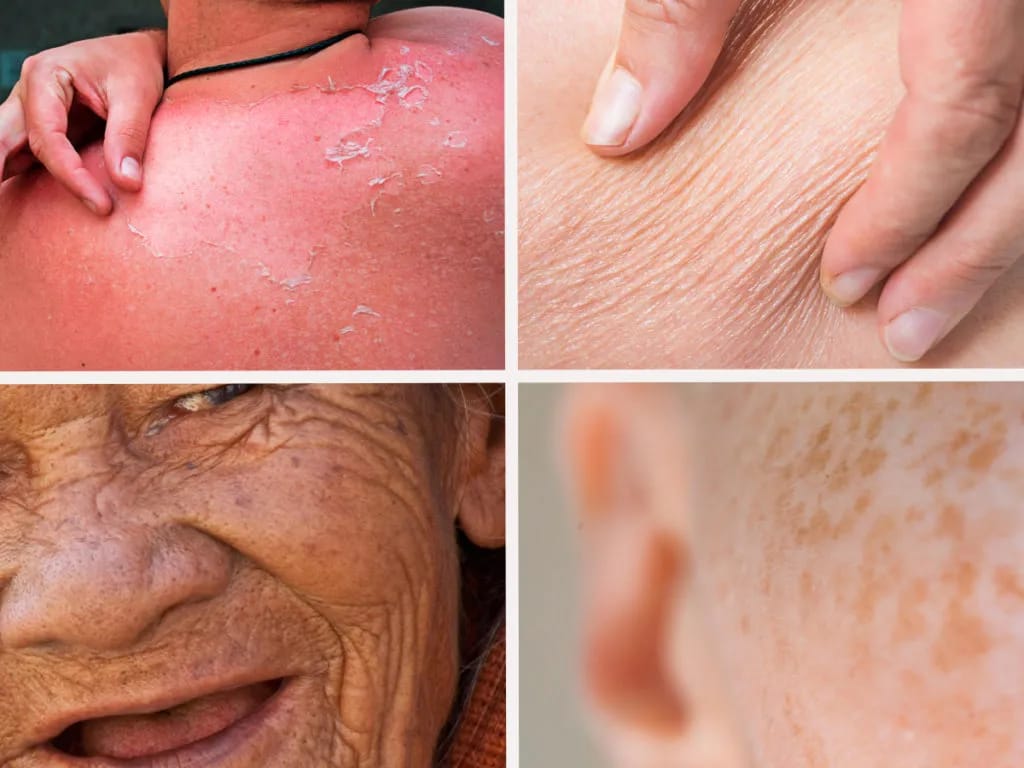
    Excessive sun exposure is one of the biggest causes of premature aging and pigmentation.

    Effects of Sun Damage

    Dark spots

    Uneven skin tone

    Wrinkles

    Sunburn

    Dullness

    EFFECTS OF SUN DAMAGE

    Tips to Protect Your Skin

    Wear sunscreen daily

    Use sunglasses and hats

    Stay hydrated outdoors

    Avoid direct sunlight during peak hours

    Healthy sun protection keeps your skin youthful and glowing.

    1. Avoid Touching Your Face Frequently

    Your hands carry dirt, bacteria, and oil that can clog pores and trigger acne breakouts.

    Healthy Hygiene Habits

    Wash your hands regularly

    Avoid picking pimples

    Clean your phone screen

    Use clean towels

    HEALTHY HYGIENE

    Simple hygiene practices can prevent many common skin problems.

    1. Reduce Stress for Better Skin

    Stress can negatively affect your hormones and trigger skin issues like acne and inflammation.

    Natural Ways to Reduce Stress

    Meditation

    Deep breathing

    Journaling

    Exercise

    Spending time outdoors

    NATURAL WAY OF REDUCE STRESS

    A calm mind often reflects through healthier and clearer skin.

    1. Stay Consistent With Your Natural Skincare Routine

    Healthy skin does not happen overnight. Consistency is the secret to long-term results.

    Simple Night Skincare Routine

    1. Remove makeup
    2. Cleanse your face
    3. Apply aloe vera or serum
    4. Moisturize properly

    Avoid overusing skincare products or constantly changing routines. Simple habits followed regularly often work best.

    Best Natural Ingredients for Glowing Skin

    Aloe Vera

    Hydrates and calms irritated skin.

    Honey

    Naturally antibacterial and moisturizing.

    Turmeric

    Brightens skin and reduces inflammation.

    Rose Water

    Refreshes and tones the skin.

    Oatmeal

    Gentle exfoliator for smooth skin.

    Cucumber

    Helps cool and hydrate tired skin.

    Using these ingredients regularly can improve your skin naturally without harsh chemicals.

    Final Thoughts ✨

    Getting clear and glowing skin naturally at home is possible with patience, healthy habits, and a consistent skincare routine. Focus on hydration, healthy eating, natural remedies, quality sleep, and sun protection to improve your skin from the inside out.

    Remember, glowing skin is not about perfection — it’s about healthy, nourished, and confident skin. Start with small daily habits, stay consistent, and your skin will gradually become healthier, brighter, and naturally radiant over time.

  • Night Skincare Routine for Glowing Skin Overnight

    Healthy, glowing skin does not happen overnight — but the right night skincare routine can dramatically improve your skin while you sleep. During the night, your skin naturally repairs itself, making bedtime the perfect opportunity to nourish, hydrate, and restore your complexion.

    Whether you struggle with dryness, dullness, acne, dark spots, or uneven texture, following a proper nighttime skincare routine can help you wake up with smoother, brighter, and healthier-looking skin.

    In this complete guide, you’ll learn the best night skincare routine for glowing skin overnight, dermatologist-recommended skincare tips, and the most effective ingredients for radiant skin.

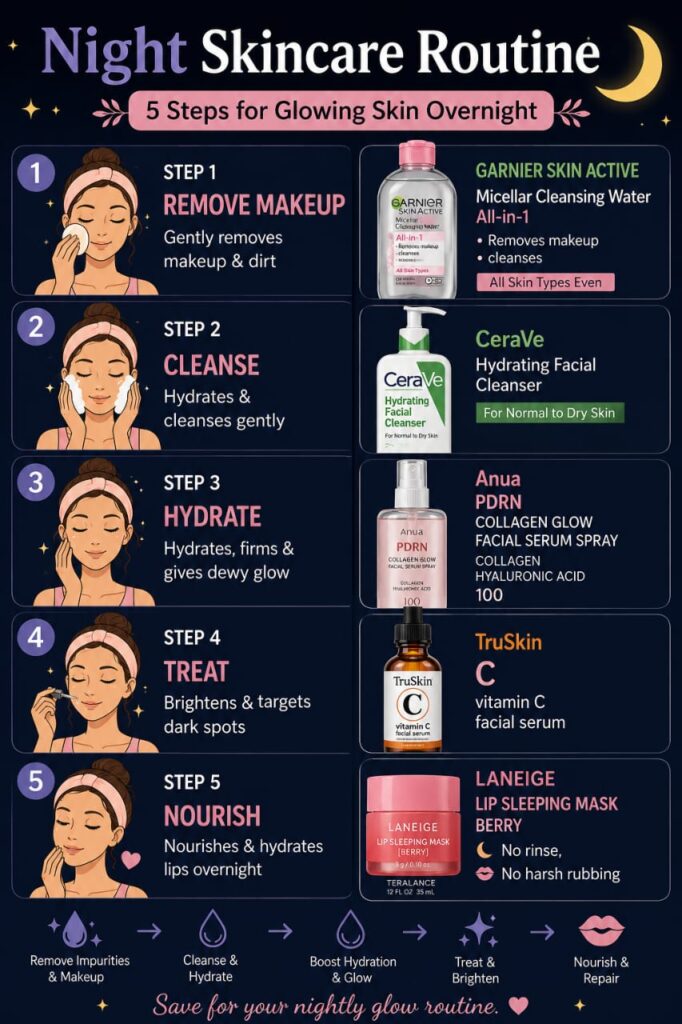
    NIGHT SKINCARE ROUTINE

    Why a Night Skincare Routine Matters

    At night, your skin enters repair mode. While you sleep:

    • Skin cells regenerate faster
    • Collagen production increases
    • Blood flow improves
    • Damaged skin repairs itself
    • Moisture loss increases

    That’s why nighttime is the best time to apply active skincare ingredients like:

    • Hyaluronic Acid
    • Retinol
    • Niacinamide
    • Vitamin C
    • Ceramides
    • Peptides

    A good nighttime routine helps your skin absorb these ingredients more effectively without exposure to sunlight, pollution, or makeup.


    Step 1: Remove Makeup Properly

    Sleeping with makeup on is one of the biggest skincare mistakes. Makeup, sunscreen, oil, and dirt clog pores and can cause acne breakouts, irritation, and dull skin.

    Using a gentle micellar water or cleansing balm removes impurities without damaging the skin barrier.

    Popular products loved in the US beauty market include:

    • Garnier Micellar Cleansing Water
    • Bioderma Sensibio H2O
    • Clinique Take The Day Off Cleansing Balm

    Pro Tip:

    Avoid harsh rubbing around the eyes because it can cause irritation and premature fine lines.


    Step 2: Use a Gentle Cleanser

    Cleansing removes sweat, bacteria, and excess oil that build up throughout the day.

    For glowing skin, choose a hydrating cleanser that cleans without stripping your natural oils.

    Best Ingredients in a Cleanser

    • Ceramides
    • Glycerin
    • Aloe Vera
    • Hyaluronic Acid
    • Green Tea

    Many dermatologists recommend gentle cleansers from brands like:

    • CeraVe
    • La Roche-Posay
    • Cetaphil

    Double Cleansing Trend

    The Korean skincare method called “double cleansing” is trending across the US beauty industry.

    It includes:

    1. Oil-based cleanser
    2. Water-based cleanser

    This technique deeply cleans pores while maintaining hydration.


    Step 3: Hydrate Your Skin

    Hydration is the secret to healthy, dewy, glowing skin.

    After cleansing, apply a hydrating toner, essence, or serum to replenish moisture.

    Best Hydrating Ingredients

    Hyaluronic Acid

    Holds up to 1000x its weight in water and keeps skin plump.

    Snail Mucin

    Popular in Korean skincare for repairing damaged skin.

    Glycerin

    Helps maintain the skin’s moisture barrier.

    Panthenol

    Soothes irritation and redness.

    Trending products in the beauty community include:

    • Anua Collagen Glow Serum
    • COSRX Snail Mucin Essence
    • Laneige Cream Skin Toner

    Why Hydration Matters

    Dehydrated skin can look:

    • Dull
    • Tired
    • Rough
    • Uneven

    Well-hydrated skin appears:

    • Brighter
    • Smoother
    • Softer
    • More youthful

    Step 4: Apply Treatment Products

    Nighttime is ideal for applying treatment products because your skin repairs itself while you sleep.

    Choose treatments based on your skin concerns.


    Best Treatments for Glowing Skin

    Vitamin C Serum

    Vitamin C brightens the skin and reduces dark spots.

    Benefits include:

    • Boosts radiance
    • Fades acne scars
    • Improves uneven skin tone
    • Protects against environmental damage

    Popular US skincare favorites:

    • TruSkin Vitamin C Serum
    • SkinCeuticals C E Ferulic

    Niacinamide

    Niacinamide helps:

    • Minimize pores
    • Reduce redness
    • Control oil
    • Strengthen the skin barrier

    This ingredient is especially helpful for acne-prone skin.


    Retinol

    Retinol is one of the most effective anti-aging ingredients.

    Benefits:

    • Smooths fine lines
    • Improves texture
    • Boosts collagen
    • Fights acne

    Beginners should use retinol 2–3 nights per week to avoid irritation.

    Trusted brands include:

    • The Ordinary
    • Paula’s Choice
    • Neutrogena

    Step 5: Moisturize and Lock In Hydration

    A moisturizer seals in all the skincare products applied earlier.

    Even oily skin needs moisturizer because skipping it can increase oil production.

    5 THINGS TO DO BEFORE BED

    Best Moisturizer Ingredients

    • Ceramides
    • Shea Butter
    • Peptides
    • Squalane
    • Hyaluronic Acid

    Dermatologist-approved moisturizers include:

    • CeraVe Moisturizing Cream
    • First Aid Beauty Ultra Repair Cream
    • Tatcha Dewy Skin Cream

    Overnight Slugging Trend

    “Slugging” became viral on platforms like TikTok and Pinterest.

    This involves applying a thin layer of petroleum jelly over moisturizer to prevent moisture loss overnight.

    People with dry skin often wake up with softer and more hydrated skin after slugging.


    Don’t Forget Lip Care

    Your lips also need overnight hydration.

    Using a lip sleeping mask prevents dryness and cracking.

    Popular options include:

    • Laneige Lip Sleeping Mask
    • Aquaphor Healing Ointment

    Best Night Skincare Routine by Skin Type

    For Dry Skin

    Focus on:

    • Cream cleansers
    • Rich moisturizers
    • Hyaluronic Acid
    • Ceramides

    Avoid:

    • Alcohol-based toners
    • Over-exfoliation

    For Oily Skin

    Use:

    • Lightweight gel moisturizers
    • Niacinamide
    • Salicylic Acid

    Avoid:

    • Heavy pore-clogging products

    For Sensitive Skin

    Choose fragrance-free products with:

    • Aloe Vera
    • Oat Extract
    • Ceramides

    Avoid:

    • Strong acids
    • Harsh scrubs

    For Acne-Prone Skin

    Focus on:

    • Salicylic Acid
    • Benzoyl Peroxide
    • Niacinamide
    • Retinol

    Always keep the skin barrier hydrated to prevent irritation.


    Healthy Night Habits for Better Skin

    Skincare products alone are not enough. Your lifestyle also affects your skin.

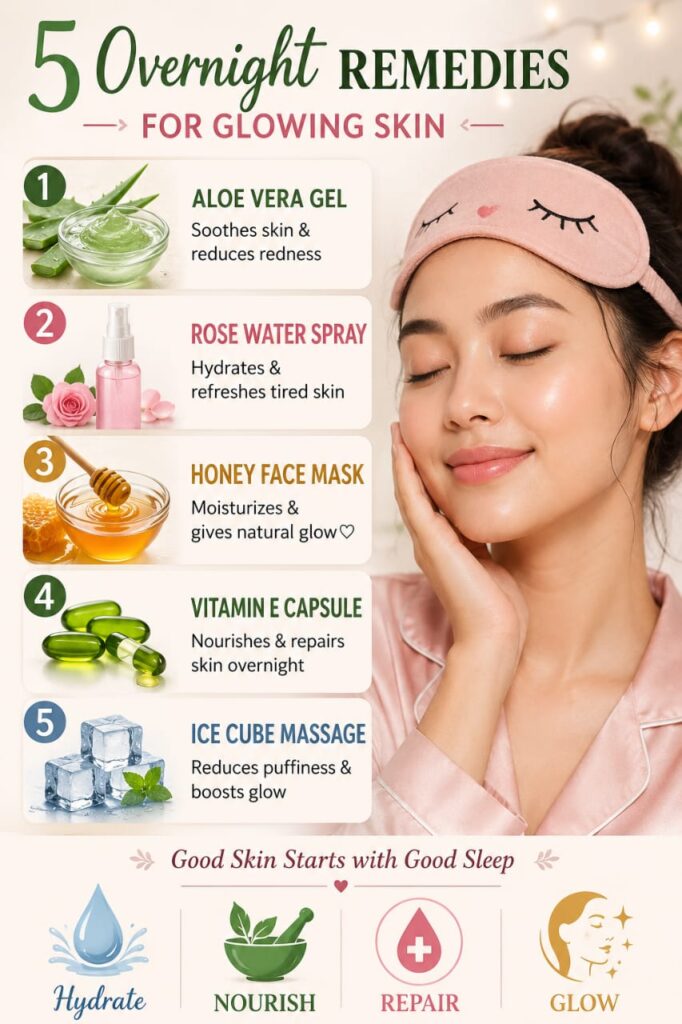
    OVERNIGHT REMEDIES

    Sleep Properly

    Lack of sleep increases:

    • Dark circles
    • Puffiness
    • Dullness
    • Stress hormones

    Aim for 7–9 hours of quality sleep.


    Drink Water

    Hydration improves skin elasticity and supports healthy skin function.


    Change Pillowcases Regularly

    Dirty pillowcases collect:

    • Oil
    • Bacteria
    • Sweat

    Changing them weekly helps reduce acne breakouts.


    Avoid Excess Screen Time Before Bed

    Blue light exposure may affect sleep quality and skin health.


    Common Night Skincare Mistakes

    Avoid these mistakes:

    • Sleeping with makeup
    • Using too many active ingredients
    • Over-exfoliating
    • Skipping moisturizer
    • Using dirty makeup brushes
    • Frequently changing products

    Consistency is more important than using expensive products.


    Simple Night Skincare Routine for Beginners

    If you’re new to skincare, keep it simple:

    1. Cleanser
    2. Hydrating serum
    3. Moisturizer
    4. Lip balm

    Once your skin adjusts, you can slowly add treatment products like retinol or exfoliants.


    Final Thoughts

    A consistent night skincare routine can completely transform your skin over time. The key is choosing products that match your skin type and using them consistently.

    Beautiful skin is not about perfection — it’s about healthy habits, hydration, and patience.

    Start with a simple nighttime routine, focus on repairing your skin barrier, and give your skin time to heal naturally.

    With the right skincare routine, glowing skin overnight becomes much more achievable.

  • Complete Skincare Routine for Acne-Prone Skin

    Acne is one of the most common skin conditions affecting teenagers and adults worldwide. It develops when excess oil, dead skin cells, and bacteria clog the pores, leading to pimples, blackheads, whiteheads, cysts, and inflammation. Acne not only affects physical appearance but can also impact confidence and emotional well-being.

    Understanding acne and its treatment is essential for building an effective skincare routine. From salicylic acid and niacinamide to retinol and benzoyl peroxide, modern skincare offers multiple solutions to reduce breakouts and improve skin texture. With the right skincare habits, healthy lifestyle, and dermatologist-approved treatments, achieving clearer skin becomes much easier.

    ACNE PROBLEMS

    What Is Acne and Why Does It Happen?

    Acne is a chronic inflammatory skin condition that commonly appears on the face, forehead, chest, shoulders, and back. It occurs when hair follicles become clogged with oil (sebum), dirt, bacteria, and dead skin cells. Hormonal changes during puberty, stress, poor skincare habits, and genetics are among the leading causes of acne breakouts.

    Sebaceous glands beneath the skin produce oil to keep the skin hydrated. However, excessive oil production can trap bacteria such as Cutibacterium acnes, leading to redness, swelling, and painful pimples. Environmental pollution, unhealthy diet, and using harsh skincare products can also worsen acne symptoms.

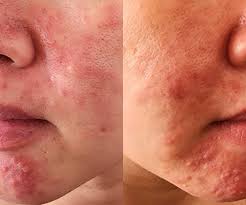
    Acne can range from mild blackheads and whiteheads to severe cystic acne that may leave scars and pigmentation. Early treatment and a consistent skincare routine help prevent long-term skin damage and improve overall skin health.

    Different Types of Acne You Should Know

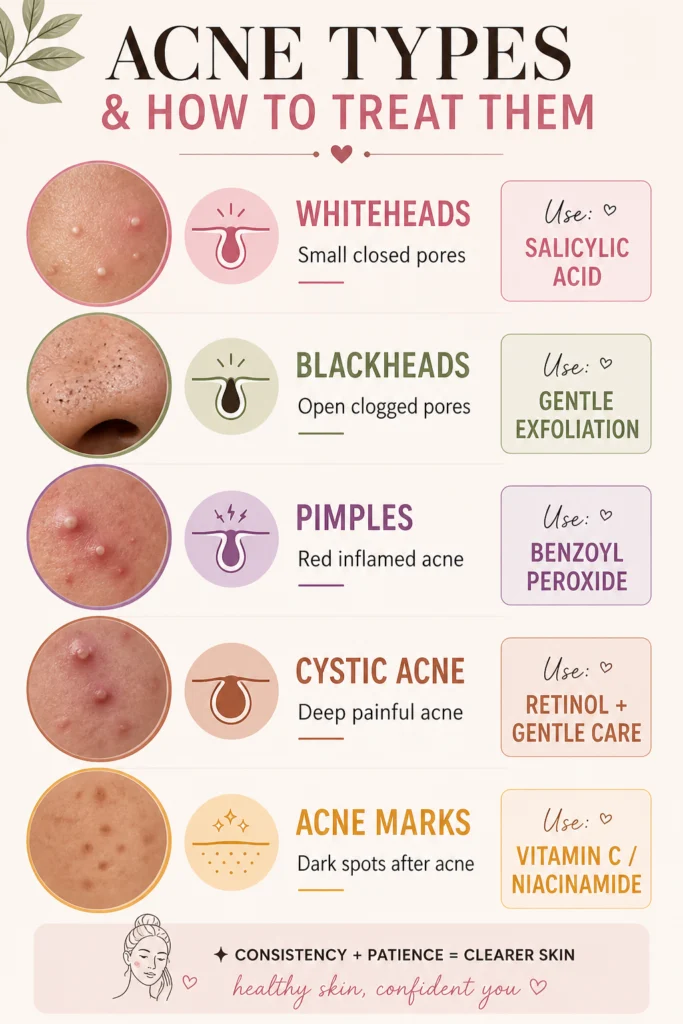
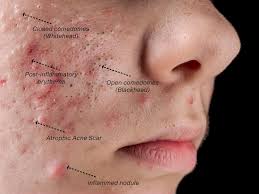
    There are several different types of acne, and identifying the correct type is important for choosing the best treatment. Whiteheads and blackheads are considered non-inflammatory acne, while papules, pustules, nodules, and cysts are inflammatory forms of acne that require more targeted care.

    Hormonal acne commonly affects adults and often appears around the jawline and chin. It is usually linked to hormonal fluctuations, stress, and increased oil production. Cystic acne is one of the most severe forms and can cause deep, painful breakouts beneath the skin surface.

    ACNE TYPES AND HOW TO TREAT THEM

    Fungal acne, acne mechanica, and acne caused by skincare products are also becoming increasingly common. Understanding your acne type helps you choose the right ingredients such as retinol, salicylic acid, hyaluronic acid, or benzoyl peroxide for effective treatment.

    Best Acne Treatment Options for Clear Skin

    Modern acne treatments focus on reducing inflammation, controlling oil production, unclogging pores, and preventing future breakouts. Over-the-counter skincare ingredients such as salicylic acid and benzoyl peroxide are highly effective for treating mild to moderate acne.

    Salicylic acid penetrates deep into the pores to remove excess oil and dead skin cells, while benzoyl peroxide targets acne-causing bacteria. Niacinamide is another powerful ingredient that helps calm redness, reduce oiliness, and strengthen the skin barrier.

    For severe acne, dermatologists may recommend prescription retinoids, antibiotics, hormonal therapy, or professional treatments such as chemical peels and laser therapy. Consistency is the key to successful acne treatment, as results usually take several weeks to become visible.


    Best Skincare Routine for Acne-Prone Skin

    A proper skincare routine for acne-prone skin should focus on cleansing, hydration, treatment, and sun protection. Using gentle and non-comedogenic products helps maintain the skin barrier while preventing clogged pores and irritation.

    In the morning, start with a gentle cleanser containing salicylic acid or tea tree oil to remove excess oil and impurities. Follow with a lightweight moisturizer containing hyaluronic acid or ceramides to keep the skin hydrated. Sunscreen with SPF 30 or higher is essential because UV rays can worsen acne scars and hyperpigmentation.

    At night, double cleansing helps remove makeup, sunscreen, and dirt buildup. Applying a retinol serum or acne treatment cream overnight can help reduce pimples, improve skin texture, and fade acne scars over time.

    Whiteheads and Blackheads

    Whiteheads and blackheads are non-inflammatory types of acne caused by clogged pores. Whiteheads occur when pores remain closed beneath the skin surface, while blackheads form when pores stay open and oxidize due to air exposure. Excess oil production, dead skin cells, and dirt buildup are the primary causes of these breakouts.

    WHITE HEADS AND BLACK HEADS

    People with oily or combination skin are more likely to experience blackheads around the nose, chin, and forehead area. Using salicylic acid cleansers, gentle exfoliants, and non-comedogenic skincare products can help unclog pores and reduce these mild acne forms.

    Consistent cleansing and avoiding heavy pore-clogging products are essential for preventing whiteheads and blackheads from becoming inflamed acne.

    Best Treatment for Whiteheads and Blackheads

    Dermatologists often recommend salicylic acid, niacinamide, and retinoids for treating clogged pores and reducing excess oil production. Salicylic acid deeply penetrates the skin and removes dead skin cells, making it highly effective for blackheads and whiteheads.

    Double cleansing at night helps remove makeup, sunscreen, and impurities that accumulate throughout the day. Clay masks and chemical exfoliants can also help refine pores and improve skin texture over time.

    Avoid squeezing blackheads or whiteheads because this can damage the skin barrier and lead to acne scars or enlarged pores.

    Papules and Pustules

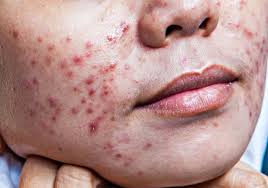
    Papules and pustules are inflammatory acne lesions that develop when clogged pores become infected with bacteria. Papules appear as small red bumps without pus, while pustules contain white or yellow pus at the center due to inflammation.

    These breakouts are commonly linked to hormonal fluctuations, stress, and excessive oil production. Harsh skincare products and over-exfoliation may further irritate the skin and worsen inflammatory acne conditions.

    PAPULES AND PISTULES

    Using gentle cleansers and anti-inflammatory ingredients such as benzoyl peroxide and niacinamide can help calm redness and reduce active acne breakouts effectively.

    How to Reduce Papules and Pustules

    Applying benzoyl peroxide treatments can help eliminate acne-causing bacteria and reduce swelling. Lightweight moisturizers with ceramides and hyaluronic acid help maintain the skin barrier while preventing dryness caused by acne medications.

    Cold compresses and soothing ingredients like aloe vera may reduce irritation and redness associated with inflamed acne. It is also important to avoid touching or popping pimples because this increases the risk of acne scars and skin pigmentation.

    A balanced skincare routine with consistent treatment usually improves papules and pustules within a few weeks.

    Nodules and Cystic Acne

    Nodules and cystic acne are among the most severe forms of acne and often develop deep beneath the skin surface. These painful breakouts occur due to severe inflammation and bacterial infection inside clogged pores. Cystic acne may lead to permanent acne scars and uneven skin texture if not treated early.

    Hormonal imbalance, genetics, stress, and excessive sebum production are major causes of cystic acne. This condition is more common during puberty, menstruation, and periods of high stress.

    nodules and cysts acne

    Unlike mild acne, cystic acne usually requires dermatologist-approved treatments rather than simple over-the-counter skincare products.

    Best Treatments for Cystic Acne

    Dermatologists may prescribe oral antibiotics, retinoids, hormonal medications, or professional treatments for severe cystic acne. Ingredients such as adapalene and benzoyl peroxide can help reduce inflammation and control bacteria growth.

    Maintaining a gentle skincare routine is extremely important because harsh scrubs and excessive exfoliation can worsen cystic acne symptoms. Professional treatments like chemical peels and laser therapy may also improve acne scars and skin texture.

    People with painful or persistent cystic acne should seek medical advice to prevent long-term skin damage.

    Hormonal Acne and Adult Acne

    Hormonal acne commonly affects teenagers and adults due to fluctuations in hormones such as androgen levels. It usually appears around the jawline, cheeks, chin, and neck area. Stress, menstrual cycles, lack of sleep, and hormonal disorders may trigger these breakouts.

    Adult acne has become increasingly common due to lifestyle changes, pollution, and stress-related skin inflammation. Hormonal acne often appears as painful cysts and recurring pimples that are difficult to control with ordinary skincare products.

    A proper skincare routine combined with healthy lifestyle habits can significantly improve hormonal acne symptoms.

    Skincare Routine for Hormonal Acne

    Using gentle cleansers, oil-free moisturizers, and targeted acne treatments can help manage hormonal breakouts. Ingredients such as niacinamide, salicylic acid, and retinol are highly effective for reducing oiliness and preventing clogged pores.

    Maintaining a healthy diet, reducing stress levels, and drinking enough water also contribute to better skin health. Dermatologists may sometimes recommend hormonal treatments or prescription medications for persistent hormonal acne.

    Consistency and patience are essential because hormonal acne treatment often takes several weeks before visible improvements appear.

  • Best Skincare Routine for Healthy & Radiant Skin

    Dreaming of naturally glowing skin? The secret to how to get glowing skin starts with a consistent skincare routine, healthy hydration, and nutrient-rich foods. From gentle cleansing to daily sunscreen, the right habits can help you achieve radiant, clear, and healthy skin naturally.

    If you are searching for the best tips on how to get glowing skin naturally, focus on skincare products that nourish and protect your skin barrier. Ingredients like vitamin C, aloe vera, hyaluronic acid, and niacinamide can improve dull skin, boost brightness, and give your face a fresh glow.

    A perfect glowing skin routine also includes enough sleep, drinking water, and avoiding harsh chemicals that damage the skin. Whether you have oily, dry, or combination skin, following a simple daily skincare routine can help you get smooth, bright, and glowing skin fast.

    Everyone wants naturally glowing, soft, and healthy skin, but achieving that perfect glow is not about using expensive products alone. The best skincare routine for healthy & radiant skin starts with simple daily habits, the right skincare products, and consistency. Whether your skin is oily, dry, sensitive, or combination, a proper skincare routine can improve skin texture, reduce dullness, and help your face look fresh and youthful every day.

    Why a Proper Skincare Routine Matters?

    Your skin faces pollution, dirt, UV rays, and stress daily. Without proper care, these factors can cause acne, dryness, pigmentation, and premature aging. A skincare routine helps remove impurities, maintain hydration, and protect the skin from damage.

    The best skincare routine for healthy & radiant skin also supports collagen production and improves overall skin health. Using skincare products with ingredients like vitamin C, hyaluronic acid, niacinamide, and aloe vera can help brighten dull skin and maintain a smooth complexion.

    Daily Skincare Routine for Glowing Skin

    Cleanse Your Skin Gently

    Start your morning and night routine with a gentle cleanser that removes dirt, excess oil, and impurities without stripping natural moisture. Clean skin allows other skincare products to absorb better and work effectively.

    Use a Hydrating Toner

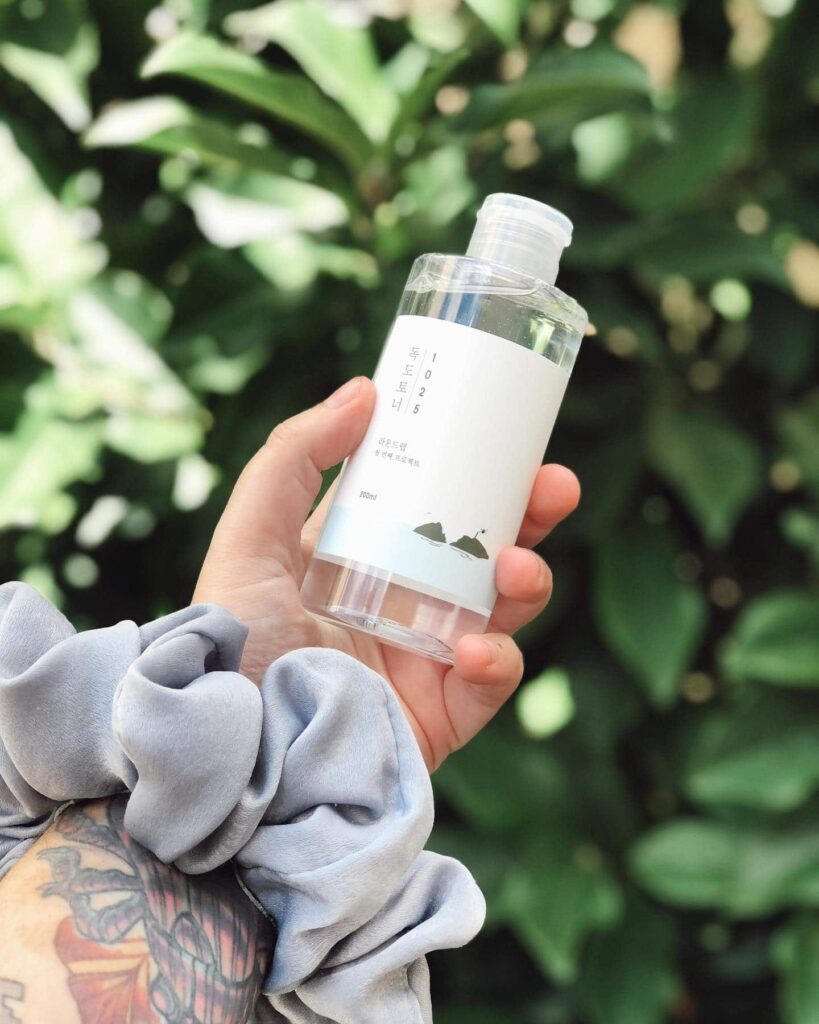
    A toner helps balance the skin’s pH level and adds hydration to the face. Hydrating toners with rose water, green tea, or hyaluronic acid can refresh tired skin and prepare it for serums and moisturizers.

    hydrating toners

    Apply a Brightening Serum

    Serums are packed with active ingredients that target dullness and uneven skin tone. Vitamin C serum is one of the best options for radiant skin because it brightens the complexion, fades dark spots, and protects against environmental damage.

    Moisturize Daily

    A good moisturizer keeps your skin soft, hydrated, and healthy. Even oily skin needs moisture to maintain balance. Choose lightweight gel moisturizers for oily skin and cream-based moisturizers for dry skin.

    Never Skip Sunscreen

    Sunscreen is one of the most important steps in any skincare routine. UV rays can cause pigmentation, wrinkles, and skin damage. Applying SPF daily protects your skin and helps maintain a healthy, youthful glow.

    Sunscreen-Routine-for-Healthy-Protected-Skin

    Healthy Habits That Improve Skin Naturally

    Drinking More Water

    Drinking more water is one of the easiest and most effective ways to support healthy and glowing skin naturally. Proper hydration helps maintain skin elasticity, reduces dryness, and gives your face a fresh, plump appearance. When your body stays hydrated, your skin looks smoother, brighter, and more radiant throughout the day.

    drinking-more-water-for-glowing-skin.

    Water also helps flush out toxins from the body, which may reduce breakouts, dullness, and tired-looking skin. Adding enough water to your daily routine, along with a healthy skincare routine, can improve your overall skin texture and help you achieve naturally glowing, clear, and youthful skin over time.

    Eat Skin-Friendly Foods

    Foods rich in antioxidants, vitamins, and healthy fats support glowing skin from within. Fruits, vegetables, nuts, and omega-3-rich foods can improve skin texture and reduce inflammation.

    FOODS FOR CLEAR AND HEALTHY SKIN

    Get Enough Sleep

    Your skin repairs itself while you sleep. Poor sleep can lead to dark circles, dullness, and tired-looking skin. A proper sleep routine helps your face appear brighter and healthier.

    GET ENOUGH SLEEP FOR GLOWING SKIN

    Final Thoughts

    The best skincare routine for healthy & radiant skin is not complicated. Consistency, hydration, healthy habits, and the right skincare products can transform your skin over time. Focus on gentle care, protect your skin daily, and stay patient with your routine. Healthy, glowing skin is achievable when you treat your skin with care every single day.

  • Daily Skincare Routine For Healthy & Glowing Skin

    Healthy skin starts with a proper DAILY SKINCARE ROUTINE. Taking care of your skin every day helps maintain a fresh, smooth, and glowing appearance. A simple skincare routine can protect the skin from dirt, pollution, dryness, and other environmental damage.

    Whether you have oily, dry, combination, or sensitive skin, following the right skincare steps can improve your skin texture and help prevent common issues like acne, dullness, and uneven skin tone. The key to achieving healthy skin is consistency and using products that match your skin type.

    In this guide, you will learn the best morning and night skincare routine, important skincare tips, and how to build an effective daily skincare habit.

    Why Is a Daily Skincare Routine Important?

    Your skin faces dust, pollution, sunlight, and stress every day. Without proper care, these factors can damage the skin barrier and lead to several skin concerns.

    SKINCARE ROUTINE

    A proper DAILY SKINCARE ROUTINE helps to:

    • Keep the skin clean and fresh
    • Maintain skin hydration
    • Reduce excess oil and breakouts
    • Prevent dryness and irritation
    • Improve skin texture and glow
    • Protect against environmental damage

    Good skincare habits also support long-term skin health and help maintain a youthful appearance.

    Essential Steps in a Daily Skincare Routine

    A basic skincare routine includes cleansing, moisturizing, and protection. However, adding a few extra steps can improve results even more.

    Morning Daily Skincare Routine

    The morning routine focuses on protecting the skin from environmental stress throughout the day.

    Step 1 – Cleanser

    Start your day with a gentle cleanser to remove oil, sweat, and impurities that build up overnight.

    Choose a cleanser based on your skin type:

    • Gel cleanser for oily skin
    • Cream cleanser for dry skin
    • Mild cleanser for sensitive skin
    Gentle Cleansing Exfoliation of Skincare

    Cleansing helps prepare the skin for the next skincare products.

    Step 2 – Toner

    A toner helps refresh the skin and balance moisture levels. It also removes leftover dirt after cleansing.

    Look for toners with soothing and hydrating ingredients for better skin comfort.

    Step 3 – Serum

    Serums contain concentrated ingredients that target specific skin concerns.

    Popular serum options include:

    • Vitamin C serum for brightening
    • Hyaluronic acid for hydration
    • Niacinamide for smoother-looking skin

    Apply a few drops gently onto the skin before moisturizing.

    Step 4 – Moisturizer

    Moisturizing is an essential part of every DAILY SKINCARE ROUTINE. A moisturizer keeps the skin soft, smooth, and hydrated.

    Even oily skin needs lightweight hydration to maintain balance.

    SKINCARE MOISTURIZER

    Step 5 – Sunscreen

    Sunscreen is one of the most important skincare products. Daily sun protection helps prevent sun damage, uneven skin tone, and premature aging.

    Use sunscreen with SPF 30 or higher every morning, even on cloudy days.

    Night Daily Skincare Routine

    Nighttime skincare focuses on repairing and nourishing the skin while you sleep.

    Step 1 – Remove Makeup and Dirt

    If you wear makeup or sunscreen, start with a makeup remover or cleansing oil.

    This helps dissolve product buildup before using a regular cleanser.

    Step 2 – Cleanse the Skin

    Wash your face with a gentle cleanser to remove dirt, oil, and impurities collected throughout the day.

    Avoid harsh scrubbing because it can irritate the skin.

    Step 3 – Apply Treatment Products

    Nighttime is ideal for using treatment products because the skin naturally repairs itself during sleep.

    You can use:

    • Retinol for smoother skin
    • Hydrating serums for moisture
    • Gentle exfoliating products occasionally

    Always introduce new products slowly into your routine.

    Step 4 – Use Night Moisturizer

    Apply a nourishing moisturizer or night cream to lock in hydration and support skin recovery overnight.

    Night creams often contain richer ingredients that help improve skin softness and texture.

    Best Skincare Tips for Healthy Skin

    Following the right skincare habits can improve your overall results.

    Stay Consistent

    Consistency is the secret to seeing improvements. Follow your DAILY SKINCARE ROUTINE regularly for the best results.

    Drink Enough Water

    Hydration supports healthy-looking skin. Drinking enough water helps maintain skin freshness and elasticity.

    STAY HYDRATED
    HYDRATION FOR SKINGLOW

    Avoid Over-Exfoliating

    Too much exfoliation can damage the skin barrier and cause irritation. Exfoliate gently only a few times each week.

    Choose Products Carefully

    Use skincare products that suit your skin type and concerns. Avoid using too many strong products at once.

    Maintain a Healthy Lifestyle

    A balanced diet, proper sleep, and stress management also contribute to healthier skin.

    Common Mistakes in a Daily Skincare Routine

    Many people unknowingly damage their skin by following incorrect skincare habits.

    Common mistakes include:

    • Skipping sunscreen
    • Using harsh cleansers
    • Sleeping with makeup on
    • Overusing active ingredients
    • Changing products too often

    Avoiding these mistakes can help maintain healthier and clearer skin.

    Conclusion

    A proper DAILY SKINCARE ROUTINE is essential for maintaining healthy, glowing, and refreshed skin. By following simple skincare steps like cleansing, moisturizing, and protecting the skin daily, you can improve your skin’s appearance and overall health.

    The key is to stay consistent and choose products suitable for your skin type. A well-balanced skincare routine can help you achieve smoother, brighter, and healthier-looking skin over time.